

Introduction
Maintaining a healthy weight is important for your overall health. Body Mass Index (BMI) is a number that helps show whether your weight is in a healthy range for your height. When your BMI is too low, it can be a sign of being underweight. This blog post explains the problems that come with a low BMI and how you can gain weight safely.
✅ What Is BMI?
BMI stands for Body Mass Index. It is a number that shows the balance between your height and weight. A low BMI usually means you are underweight. While some people may think being thin is good, being underweight can cause health problems.
You can check your BMI using our free tool at https://bmiicalculator.com.
🚩 Problems of a Low BMI
When your BMI is too low, your body may not have enough nutrients to work well. Some common problems include:
💔 1. Weak Immune System
When you are underweight, your body may not fight infections well. This means you can easily get sick.
🍃 2. Feeling Tired All the Time
Low weight can make you feel weak and tired because your body doesn’t have stored energy.
🦴 3. Bone Weakness
Not having enough nutrients can make your bones thin and weak. This can increase the chance of fractures.

🧠 4. Trouble Concentrating
Being underweight can affect your brain and make focusing or thinking clearly harder.
⚠️ 5. Hormone Imbalance
In both men and women, low weight can affect hormones. This can impact menstrual cycles in women and affect fertility.
🍽️ How to Gain Weight Safely
If your BMI is low and your doctor agrees, you can work on gaining weight. Here are safe ways to do it:
🥑 1. Eat More Calories than You Burn
To gain weight, you must take in more calories than your body uses. This doesn’t mean eating junk food — it means choosing healthy, calorie-rich foods.
Examples:
- Nuts and seeds
- Peanut butter
- Whole milk and yogurt
- Cheese
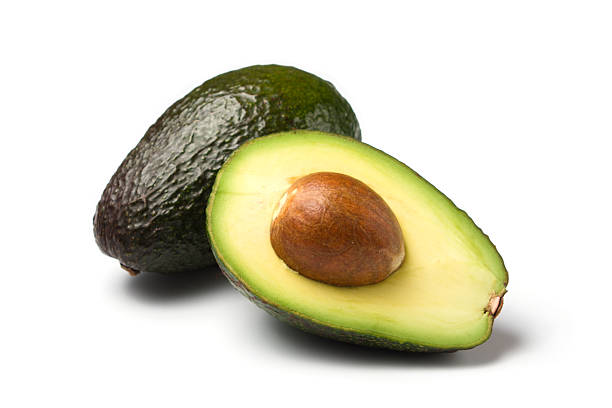
- Avocado
🍗 2. Eat Often
Try eating 5–6 small meals each day instead of just 2 or 3 big meals. This helps you take in more calories without feeling too full.
💪 3. Include Protein for Muscle
Protein helps build muscles. Good sources:
- Eggs
- Chicken
- Fish
- Beans
- Lentils

Adding protein to your meals can help your body gain healthy weight, not just fat.
🥔 4. Add Nutrient-Rich Carbs and Healthy Fats
Foods like whole grain bread, brown rice, sweet potatoes, and healthy oils help you gain weight in a balanced way.
🏋️ 5. Light Strength Training
Doing simple exercises like lifting light weights or body-weight exercises (push-ups, squats) helps your muscles grow as you eat more calories.
🚰 6. Drink Smoothies and Shakes
Instead of drinking just water between meals, try nutritious smoothies or shakes made with milk, fruit, and nut butter. These add calories without making you feel too full.

🧠 Important Tips to Remember
- Don’t rush the weight gain process — slow and steady is healthier.
- Avoid gaining weight only from sugary or fried foods.
- If you have health issues or eating problems, talk to a doctor or dietitian before making changes.
- Track your progress with tools like the BMI Calculator on https://bmiicalculator.com.
⭐ Final Thoughts
Having a low BMI can cause health issues, but the good news is you can improve your weight in a safe and healthy way. Focus on eating nutrient-rich foods, eating more often, and doing light strength exercises. Always check with a healthcare provider before making big changes.

Iqra Fatima Khan is a Health Content Writer & Researcher at BMIICalculator.com, where she creates practical, easy-to-understand content about Body Mass Index (BMI), healthy weight management, nutrition, and general wellness. Her articles are researched using reputable health resources, including guidance from organizations such as the CDC, WHO, and NIH. She focuses on presenting health information clearly while emphasizing the limitations of BMI and encouraging readers to seek professional medical advice when appropriate.