

📖 Introduction
Heart health is very important for a long and active life. Many people know about blood pressure and cholesterol, but fewer understand how BMI (Body Mass Index) affects the heart. BMI is a simple number that helps show whether your weight is healthy for your height.
In this blog post, we will explain the connection between BMI and heart health in very simple words. You will learn how BMI works, why it matters for your heart, and what you can do to keep both your weight and heart healthy.
What Is BMI?
BMI stands for Body Mass Index. It is a calculation that uses your weight and height to check if you are underweight, normal weight, overweight, or obese.
BMI is calculated using this formula:
BMI = weight (kg) ÷ height (m²)
You don’t need to calculate it yourself. You can easily check your BMI using an online tool like BMIICalculator.com.
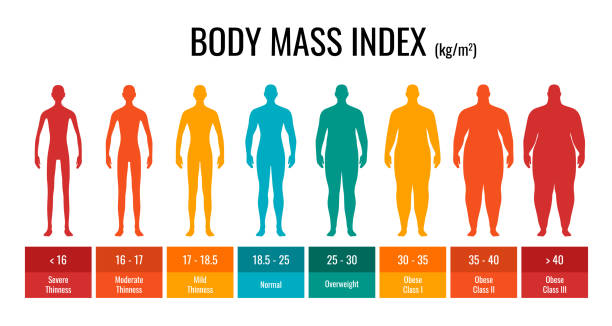
BMI Categories
- Under 18.5 → Underweight
- 18.5 – 24.9 → Normal weight
- 25 – 29.9 → Overweight
- 30 or more → Obese
These categories help doctors understand possible health risks.
What Is Heart Health?
Heart health means how well your heart works to pump blood around your body. A healthy heart supplies oxygen and nutrients to all parts of the body.
Good heart health helps prevent:
- Heart attacks
- High blood pressure
- Stroke
- Heart failure
Your lifestyle, diet, activity level, and weight all play a big role in keeping your heart strong.
How BMI and Heart Health Are Connected
BMI and heart health are closely linked. When your BMI is too high or too low, it can increase the risk of heart problems.
High BMI and Heart Problems
When BMI is high, it usually means there is extra body fat. Too much fat can:
- Put pressure on the heart
- Increase blood pressure
- Raise bad cholesterol (LDL)
- Lower good cholesterol (HDL)
- Increase blood sugar levels
All of these factors can damage the heart over time.
People with high BMI have a higher chance of:
- Heart disease
- Blocked arteries
- Heart attack
- Stroke
Low BMI and Heart Risks
Low BMI can also affect heart health. Being underweight may mean:
- Weak heart muscles
- Low energy levels
- Poor nutrition
If the body does not get enough nutrients, the heart may not work properly. This is why a balanced BMI is important.

Why a Healthy BMI Protects Your Heart
Maintaining a healthy BMI helps the heart in many ways:
- ❤️ Reduces strain on the heart
- 🩸 Keeps blood pressure stable
- 🧪 Improves cholesterol levels
- 🍬 Helps control blood sugar
- 🏃 Improves overall fitness
A healthy BMI makes it easier for the heart to pump blood efficiently.
BMI, Blood Pressure, and the Heart
High BMI is often linked with high blood pressure. Extra weight makes the heart work harder to move blood through the body.
Over time, high blood pressure can:
- Damage heart arteries
- Increase heart attack risk
- Cause heart enlargement
Keeping BMI in the normal range helps control blood pressure naturally.
BMI and Cholesterol Levels
Cholesterol is a fat-like substance in the blood. High BMI often leads to:
- High bad cholesterol (LDL)
- Low good cholesterol (HDL)
This combination can cause fat buildup in arteries, making it harder for blood to flow to the heart. This increases the risk of heart disease.
How to Maintain a Heart-Healthy BMI
You don’t need extreme dieting or hard workouts. Small, regular habits can make a big difference.
1. Eat Balanced Meals
- Eat more fruits and vegetables
- Choose whole grains
- Limit fried and sugary foods
- Reduce salt intake
2. Stay Physically Active
- Walk daily for 30 minutes
- Do light exercises or stretching
- Avoid sitting for long hours
3. Drink Enough Water
Water helps digestion and keeps the body active.
4. Get Enough Sleep
Poor sleep can affect weight and heart health.
5. Manage Stress
Stress can raise blood pressure and cause weight gain. Try relaxation, prayer, or deep breathing.

Check Your BMI Regularly
Checking your BMI from time to time helps you understand your health better. If you notice your BMI going up or down too much, you can take early action.
Using a simple tool like BMIICalculator.com makes this easy and quick. It gives instant results and helps you track your progress.
When Should You See a Doctor?
You should consult a doctor if:
- Your BMI is very high or very low
- You feel chest pain or shortness of breath
- You have high blood pressure or diabetes
BMI is a helpful guide, but a doctor can give personal advice based on your health.
Final Thoughts
BMI and heart health are strongly connected. A healthy BMI supports a strong heart, while an unhealthy BMI can increase heart risks. The good news is that small daily changes can improve both your weight and heart health.
By eating better, staying active, and checking your BMI regularly, you can protect your heart and enjoy a healthier life.
Use https://bmiicalculator.com to check your BMI today and take a positive step toward better heart health.
References
For more information about BMI and healthy weight management, visit these trusted resources:
- Centers for Disease Control and Prevention (CDC) – About Adult BMI:
https://www.cdc.gov/healthyweight/assessing/bmi/adult_bmi/index.html - World Health Organization (WHO) – Body Mass Index:
https://www.who.int/data/gho/data/themes/topics/topic-details/GHO/body-mass-index - National Heart, Lung, and Blood Institute – Calculate Your BMI:
https://www.nhlbi.nih.gov/health/educational/lose_wt/BMI/bmicalc.htm - Harvard T.H. Chan School of Public Health – Measuring Obesity:
https://www.hsph.harvard.edu/obesity-prevention-source/obesity-definition/ - Mayo Clinic – BMI Calculator:
https://www.mayoclinic.org/diseases-conditions/obesity/in-depth/bmi-calculator/itt-20084938

Iqra Fatima Khan is a Health Content Writer & Researcher at BMIICalculator.com, where she creates practical, easy-to-understand content about Body Mass Index (BMI), healthy weight management, nutrition, and general wellness. Her articles are researched using reputable health resources, including guidance from organizations such as the CDC, WHO, and NIH. She focuses on presenting health information clearly while emphasizing the limitations of BMI and encouraging readers to seek professional medical advice when appropriate.