
Written & Researched by: Iqra Fatima Khan
Designation: Health Content Writer & Researcher
Published: August 22, 2026
Last Updated: August 22, 2026
Maintaining a healthy weight does not require following a perfect diet, avoiding every favorite food, or spending hours in the gym.
For most people, long-term weight management is built around something much less dramatic: consistent eating habits, regular physical activity, enough sleep, realistic routines, and small adjustments that can be maintained over time.
A healthy weight is also not defined by appearance alone. Body Mass Index (BMI) can provide a useful starting point for adults, but BMI does not directly measure body fat or provide a complete picture of health.
If your goal is to maintain a weight that is healthy for you, focus on creating habits you can realistically continue rather than relying on short-term restrictions.
What Does “Healthy Weight” Mean?
There is no single ideal weight that applies to everyone.
For adults, BMI is commonly used as a screening measure based on weight relative to height.
Standard adult BMI categories are:
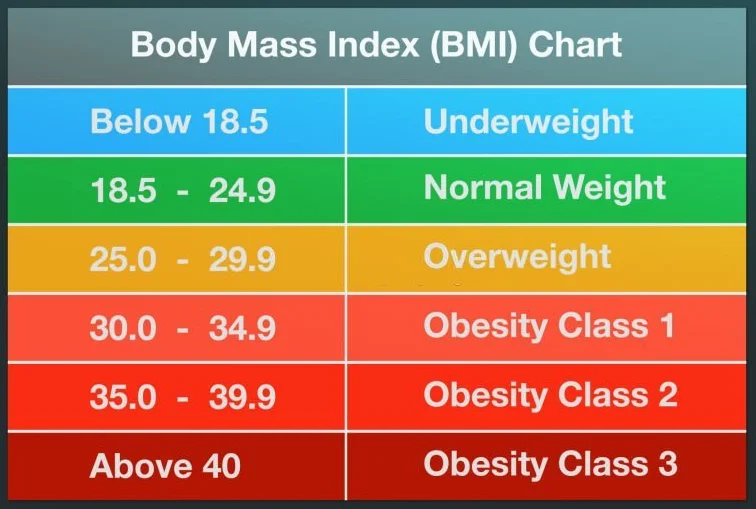
However, BMI has limitations.
It does not directly measure body fat and cannot distinguish between fat and muscle. Factors such as body composition, waist circumference, medical history, blood pressure, laboratory results, fitness level, age, and lifestyle may provide additional health context.
If you do not know your BMI, you can use our BMI Calculator for Adults to estimate it.
1. Build Your Diet Around Nutrient-Dense Foods
One of the most useful habits for maintaining a healthy weight is eating a balanced variety of foods rather than depending on restrictive diets.
A healthy eating pattern can include:
- Vegetables
- Fruits
- Whole grains
- Beans and lentils
- Eggs
- Fish
- Poultry and other lean protein choices
- Nuts and seeds
- Dairy or suitable alternatives
- Healthy sources of fat
The CDC recommends eating patterns that emphasize vegetables, fruits, protein foods, healthy fats, whole grains, and other nutrient-dense choices while limiting excess added sugars, sodium, saturated fats, and highly processed foods.
The goal does not have to be dietary perfection.
Think about what you eat most of the time.
A balanced lunch, for example, might include vegetables, a source of protein, a whole-grain or other carbohydrate source, and a moderate amount of healthy fat.

2. Pay Attention to Portion Sizes
Even nutritious foods contain energy.
If you regularly consume more energy than your body uses, your weight may gradually increase.
You do not necessarily need to count every calorie to maintain your weight. Portion awareness can often be a more practical approach.
Useful habits include:
- Serve food on an appropriately sized plate.
- Pause before taking a second serving.
- Eat slowly enough to notice fullness.
- Avoid routinely eating directly from large packages.
- Pay attention to portions of calorie-dense foods.
- Check food labels when useful.
- Notice whether snacks are being eaten because of hunger or habit.
Your individual energy needs depend on factors including age, sex, height, body size, activity level, and other personal circumstances.
For that reason, one universal calorie target is not appropriate for everyone.
3. Include Protein in Your Meals
Protein can be an important part of a balanced eating pattern.
Sources can include:
- Fish
- Eggs
- Poultry
- Beans
- Lentils
- Peas
- Soy foods
- Yogurt
- Nuts and seeds
- Other suitable protein foods
Including protein along with fiber-rich foods can also make meals more satisfying.
For example:
Breakfast: yogurt, fruit, and oats
Lunch: beans, vegetables, and whole grains
Dinner: fish or another protein source with vegetables and potatoes or rice
Snack: fruit with yogurt or a small portion of nuts
You do not need to use protein powders or specialized products simply to follow a balanced diet unless there is a specific reason for doing so.
4. Eat More Fiber-Rich Foods
Fiber-rich foods can form an important part of a healthy eating pattern.
Examples include:
- Vegetables
- Fruits
- Beans
- Lentils
- Whole grains
- Oats
- Whole-grain bread
- Brown rice
- Nuts
- Seeds
These foods provide nutrients and can help make meals more filling.
Instead of trying to dramatically change your diet overnight, consider simple substitutions.
For example:
Instead of: refined cereal every morning
Try: oats with fruit
Instead of: a snack with little nutritional value
Try: fruit and yogurt
Instead of: meals with few vegetables
Try: adding an extra serving of vegetables
Small improvements can become easier to maintain than an overly restrictive plan.
5. Be Mindful of Liquid Calories
Drinks can contribute significant energy without always producing the same sense of fullness as solid foods.
Frequent intake of:
- Sugary soft drinks
- Sweetened coffees
- Energy drinks
- High-sugar juices
- Large specialty drinks
can make weight maintenance more difficult for some people.
Water is a simple everyday choice.
Other drinks such as unsweetened tea, coffee, or appropriate lower-sugar options can also fit into a balanced routine depending on individual needs.
You do not have to completely eliminate every higher-calorie drink, but frequency and portion size matter.

6. Stay Physically Active
Regular physical activity supports overall health and plays an important role in weight management.
For general health, the CDC recommends that adults get at least:
150 minutes of moderate-intensity aerobic activity per week
or
75 minutes of vigorous-intensity aerobic activity per week
or an equivalent combination.
Adults are also advised to perform muscle-strengthening activities on at least 2 days each week.
Moderate-intensity activities can include:
- Brisk walking
- Cycling
- Recreational swimming
- Active gardening
- Dancing
- Other activities that noticeably increase your breathing and heart rate
You do not have to complete all 150 minutes at once.
For example:
30 minutes × 5 days = 150 minutes per week
Even shorter sessions can contribute to your overall activity.
Some people may require more physical activity than the basic health recommendation to maintain a particular weight.

7. Include Strength Training
Aerobic activity is not the only type of exercise that matters.
Muscle-strengthening activities can include:
- Resistance bands
- Weight training
- Bodyweight exercises
- Resistance machines
- Other appropriately challenging exercises
Current adult physical-activity guidance recommends muscle-strengthening work involving the major muscle groups on at least two days per week.
If you are completely new to exercise, start gradually.
Good technique and an appropriate level of resistance are more important than trying to lift heavy weights immediately.
If you have an injury, chronic medical condition, mobility limitation, or other health concern, talk to an appropriately qualified healthcare professional before beginning a new exercise program.
8. Move More During the Day
A structured workout is helpful, but everyday movement matters too.
Simple ways to move more can include:
- Walking during a lunch break
- Taking stairs when practical
- Walking short journeys
- Standing up regularly during long periods of sitting
- Gardening
- Housework
- Playing active games with children
- Walking while talking on the phone
Instead of asking:
“Did I work out today?”
you can also ask:
“How much did I move today?”
Building activity into your normal routine can make it easier to continue long term.

9. Develop a Meal Routine That Works for You
There is no single meal schedule that works for everyone.
Some people prefer three regular meals. Others prefer meals plus one planned snack.
The important point is to find a routine that helps you avoid becoming so hungry that you regularly overeat later.
Try to notice your own patterns.
For example:
Do you skip lunch and then become extremely hungry in the evening?
Do you eat snacks automatically while watching television?
Do weekends completely disrupt your normal eating pattern?
Understanding your routines can help you identify small changes that are realistic.
10. Learn the Difference Between Physical Hunger and Habit
Not every desire to eat comes from physical hunger.
People may eat because of:
- Stress
- Boredom
- Habit
- Social situations
- Food availability
- Emotional discomfort
- Fatigue
Before automatically reaching for food, consider asking yourself:
“Am I physically hungry?”
If you are hungry, eating is appropriate.
If you realize the urge is mainly boredom or habit, another activity may sometimes be more useful.
You could:
- Take a short walk
- Make tea
- Drink water
- Call someone
- Change activities
- Move away from the kitchen
- Spend a few minutes outside
This is not about ignoring genuine hunger. It is about becoming more aware of why you are eating.
11. Get Enough Sleep
Sleep is sometimes overlooked when discussing healthy weight.
The CDC includes sufficient sleep as part of a lifestyle that supports healthy weight management.
Poor or inconsistent sleep can also make healthy routines more difficult by affecting energy, activity, and eating behavior.
Useful sleep habits may include:
- Keeping a reasonably consistent sleep schedule
- Creating a relaxing bedtime routine
- Limiting late-night screen use when it interferes with sleep
- Keeping the bedroom comfortable
- Limiting caffeine late in the day if it affects your sleep
If you consistently have difficulty sleeping, experience excessive daytime sleepiness, or suspect a sleep disorder, consider discussing it with a healthcare professional.

12. Manage Stress in Healthy Ways
Stress is a normal part of life, but chronic stress can make healthy routines more difficult.
Some people respond to stress by eating more, moving less, or sleeping poorly.
Try developing several ways to manage stress that do not depend entirely on food.
Examples include:
- Walking
- Exercise
- Relaxation exercises
- Journaling
- Spending time outdoors
- Talking with friends or family
- Hobbies
- Taking structured breaks
- Seeking professional support when needed
The goal is not to remove all stress. It is to build healthier ways of responding to it.
13. Monitor Trends, Not Daily Perfection
Weight naturally fluctuates.
Changes in hydration, meals, sodium intake, bowel contents, menstrual cycle, and other factors can change scale weight temporarily.
For this reason, one measurement should not determine how you feel about your progress.
If you choose to monitor your weight, look for longer-term trends.
You may also monitor:
- How your clothes fit
- Waist measurement
- Physical activity
- Meal habits
- Strength or fitness
- Energy levels
- Other health measures recommended by your healthcare provider
Monitoring should help you make informed decisions—not create anxiety or unhealthy behavior.
If weighing yourself negatively affects your relationship with food or body image, it may not be the right tracking method for you.
14. Make Small Changes Instead of Starting Over
One of the biggest mistakes in weight management is using an all-or-nothing mindset.
A person might think:
“I ate something unhealthy today, so the whole week is ruined.”
But one meal does not determine your long-term health.
Likewise, one workout does not create fitness.
What matters is what happens repeatedly.
If your routine gets disrupted:
- Identify what happened.
- Avoid treating it as failure.
- Make the next reasonable choice.
- Return to your usual routine.
Long-term habits leave room for holidays, meals out, celebrations, busy days, and unexpected events.

15. Avoid Extreme or Fad Diets
A diet that promises dramatic results in a very short period should be approached carefully.
Highly restrictive diets can be difficult to maintain and may not provide adequate nutrition.
A healthier long-term approach usually emphasizes:
- Balanced food choices
- Appropriate portions
- Regular movement
- Sustainable habits
- Realistic expectations
If weight loss is medically appropriate for you, gradual changes are generally preferred over extreme approaches.
The CDC notes that people who lose weight at a gradual, steady pace—around 1 to 2 pounds (0.5 to 1 kg) per week—are more likely to maintain weight loss than people who lose weight more quickly.
That figure applies to people intentionally trying to lose weight; it is not a target for someone who is already maintaining an appropriate weight.
16. Create an Environment That Supports Your Goals
Your environment can make healthy habits easier or harder.
Consider making the convenient option a healthier one.
For example:
- Keep fruit visible.
- Prepare vegetables in advance.
- Keep useful meal ingredients available.
- Carry water when you leave home.
- Plan meals before very busy days.
- Keep comfortable walking shoes accessible.
- Schedule activity like any other commitment.
You do not need unlimited motivation if your environment makes the desired behavior easier.
17. Plan for Restaurants and Social Events
Maintaining a healthy weight does not mean avoiding restaurants, parties, or celebrations.
You can enjoy them while keeping your overall routine in perspective.
Consider:
- Eating normally earlier in the day instead of starving yourself before an event
- Choosing portions that leave you comfortably satisfied
- Including vegetables where practical
- Eating slowly
- Choosing water alongside other drinks
- Enjoying favorite foods without treating them as a failure
What you eat occasionally is less important than your usual eating pattern.

18. Use Realistic Goals
Goals such as:
“I will become healthy.”
are difficult to act on because they are vague.
More practical goals might be:
- “I will walk for 30 minutes after work on Monday, Wednesday, and Friday.”
- “I will include vegetables with dinner five nights this week.”
- “I will prepare lunch at home three days this week.”
- “I will go to bed at approximately the same time on work nights.”
- “I will do strength training twice this week.”
Specific behaviors are easier to measure than general intentions.
19. What If Your Weight Starts Increasing?
A small change does not require panic.
First, look at recent habits.
Ask yourself:
- Has my physical activity decreased?
- Have portion sizes gradually increased?
- Am I drinking more calories?
- Has my sleep changed?
- Has my routine changed?
- Am I eating more often because of stress?
- Have I started a new medication?
- Has my health changed?
Making a small adjustment early may be easier than waiting for the pattern to continue for months.
However, weight change is not always caused by lifestyle.
Medications, medical conditions, hormones, age, genetics, and other factors can influence body weight.
When Should You Speak to a Healthcare Professional?
Consider seeking professional advice if:
- Your weight changes unexpectedly.
- You lose weight without trying.
- You are having difficulty maintaining an appropriate weight.
- Your BMI is very low or high.
- You have diabetes, cardiovascular disease, high blood pressure, or another medical condition.
- You take medications that may affect weight.
- You are pregnant or breastfeeding.
- You have special nutritional needs.
- You are concerned about your eating behavior.
- You have or suspect an eating disorder.
- You need an individualized weight-management plan.
A physician, registered dietitian, or other appropriately qualified healthcare professional can consider factors that a general online article cannot.

A Simple Healthy-Weight Routine
A sustainable routine does not need to be complicated.
| Area | Practical Habit |
|---|---|
| Breakfast | Build a balanced meal rather than relying only on sugary foods |
| Lunch | Include vegetables, protein, and a fiber-rich carbohydrate |
| Dinner | Use sensible portions and include a variety of foods |
| Snacks | Choose them intentionally when physically hungry |
| Drinks | Make water a regular choice |
| Movement | Build activity into everyday life |
| Exercise | Aim toward recommended weekly activity levels |
| Strength | Include muscle-strengthening activity around twice weekly |
| Sleep | Maintain a reasonably consistent sleep routine |
| Monitoring | Look at long-term trends rather than single measurements |
You do not need to complete every habit perfectly every day.
Consistency over time matters more.
Maintaining Weight After Weight Loss
Weight maintenance can sometimes require a different mindset from losing weight.
Once you reach a weight that is appropriate for you, the goal becomes maintaining the habits that helped you get there.
The CDC notes that people who successfully maintain weight loss commonly continue regular physical activity, maintain consistent eating habits, and monitor their progress.
Some people require more activity than the basic 150-minute weekly recommendation to maintain weight loss.
Instead of returning to all of your previous habits once you reach a target weight, think of healthy eating and activity as part of your long-term lifestyle.
Final Thoughts
Maintaining a healthy weight is not about finding one perfect food, exercise, supplement, or diet.
It is usually the result of many ordinary decisions repeated over time:
Eat a balanced diet.
Move regularly.
Sleep well.
Manage stress.
Pay attention to portions.
Monitor patterns.
Adjust when needed.
And remember that your health is more than your BMI or the number on a scale.
Use BMI as one piece of information rather than a complete judgment of your health.
If you would like to estimate your current BMI and healthy weight range, use our BMI Calculator for Adults.
Frequently Asked Questions
What is the best way to maintain a healthy weight?
There is no single method that works for everyone. A sustainable combination of balanced eating, appropriate portions, regular physical activity, sufficient sleep, and realistic long-term habits is generally more useful than extreme short-term approaches.
Do I need to count calories to maintain my weight?
Not necessarily. Energy balance affects weight, but many people can manage their weight by paying attention to food quality, portions, hunger, eating patterns, and activity without tracking every calorie.
How much exercise should adults get each week?
For general health, adults should aim for at least 150 minutes of moderate-intensity aerobic activity per week, or 75 minutes of vigorous activity, or an equivalent combination. Muscle-strengthening activities are also recommended on at least two days per week.
Is walking enough to help maintain a healthy weight?
Walking can be an excellent form of physical activity. Brisk walking counts toward moderate-intensity aerobic activity. The amount of activity needed for weight maintenance varies between individuals.
Can I eat my favorite foods and still maintain a healthy weight?
Yes. A healthy eating pattern does not require eliminating every enjoyable food. Frequency, portions, overall dietary pattern, and your total energy needs are more important than labeling individual foods as completely “good” or “bad.”
How often should I weigh myself?
There is no single frequency that is right for everyone. If you choose to weigh yourself, focus on trends over time rather than reacting to individual measurements. If frequent weighing causes anxiety or unhealthy behavior, consider a different way of monitoring your habits or health.
Is BMI enough to tell whether I am healthy?
No. BMI is a screening measure based on height and weight. It does not directly measure body fat and cannot evaluate every aspect of health. Other measurements, medical history, lifestyle factors, and professional assessment may be useful.
What should I do if my weight changes suddenly?
Unexplained or unexpected weight changes can sometimes be related to medical conditions, medications, or other factors. Consider speaking with a qualified healthcare professional, particularly when the change is significant or accompanied by other symptoms.
Sources & References
Centers for Disease Control and Prevention (CDC)
Tips for Healthy Eating for a Healthy Weight — updated April 29, 2026.
Centers for Disease Control and Prevention (CDC)
Physical Activity and Your Weight and Health.
Centers for Disease Control and Prevention (CDC)
Adult Activity: An Overview.
Centers for Disease Control and Prevention (CDC)
Steps for Losing Weight.
Centers for Disease Control and Prevention (CDC)
Tips for Keeping Weight Off.
National Heart, Lung, and Blood Institute (NHLBI), National Institutes of Health
Are You at a Healthy Weight?
National Health Service (NHS)
Eating a Balanced Diet.
Medical Disclaimer
This article is provided for general educational and informational purposes only. It is not medical advice, diagnosis, or treatment and should not replace individualized advice from an appropriately qualified healthcare professional. Individual nutritional, physical-activity, and weight-management needs vary.

Iqra Fatima Khan is a Health Content Writer & Researcher at BMIICalculator.com, where she creates practical, easy-to-understand content about Body Mass Index (BMI), healthy weight management, nutrition, and general wellness. Her articles are researched using reputable health resources, including guidance from organizations such as the CDC, WHO, and NIH. She focuses on presenting health information clearly while emphasizing the limitations of BMI and encouraging readers to seek professional medical advice when appropriate.