
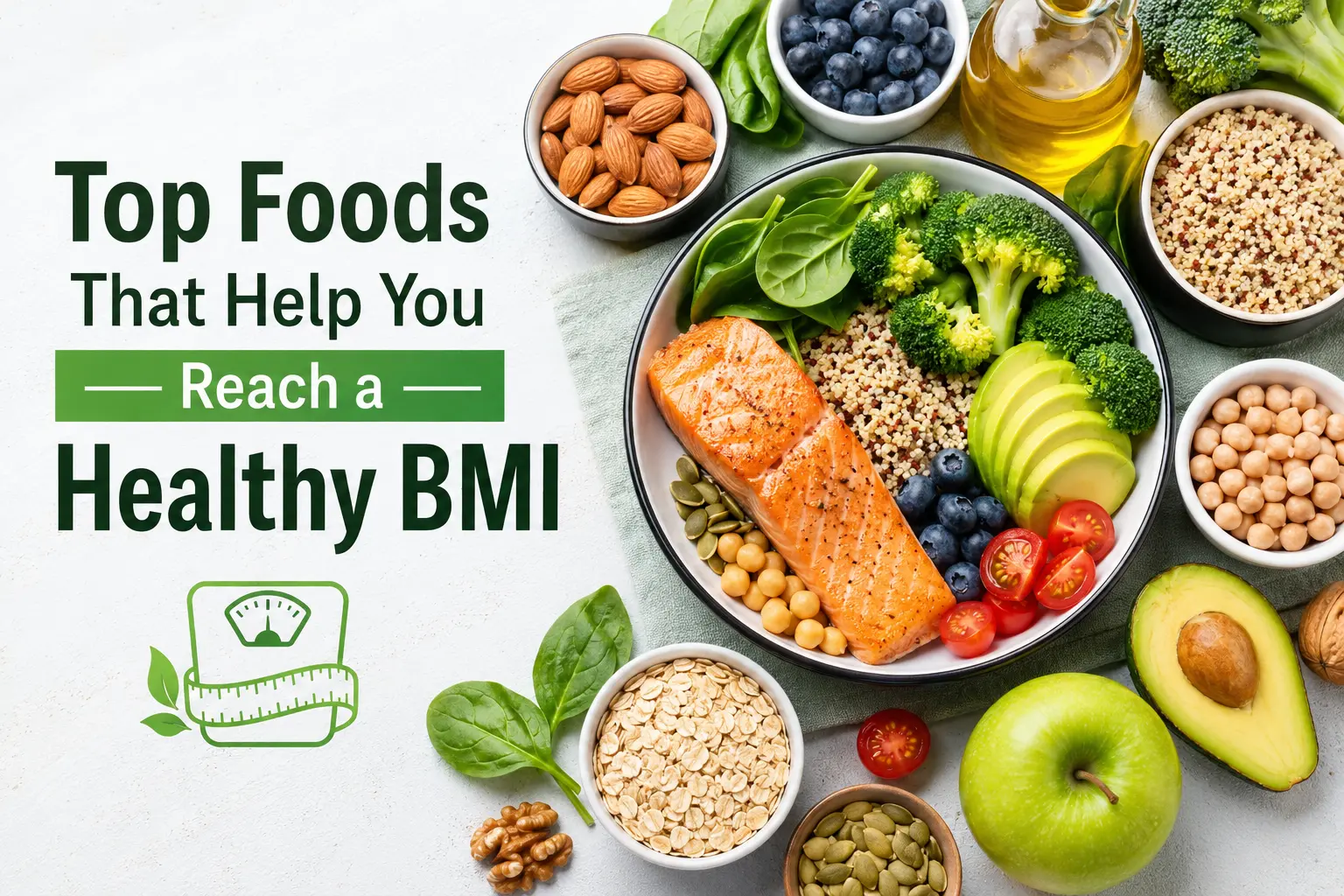
When I think about reaching a healthy BMI, I don’t believe in starving myself, skipping meals, or following extreme diets. In my experience, the better approach is to build meals around nutritious foods that keep me full, provide steady energy, and make healthy eating easier to maintain.
BMI, or Body Mass Index, is a simple measurement based on height and weight. It can be useful as a general screening tool, but it doesn’t tell the complete story about a person’s health. Muscle mass, age, body composition, and other factors also matter.
If my goal is to reach or maintain a healthy BMI, I focus less on quick weight loss and more on the quality of the food I eat every day.
In this guide, I will explain the top foods that can support a healthy BMI, how I include them in my meals, and how I can build a balanced eating routine without making food unnecessarily complicated.
What Is a Healthy BMI?
BMI is calculated using a person’s weight and height. For adults, a BMI between 18.5 and 24.9 is generally classified as the normal or healthy range.
However, I would not use BMI alone to judge my health. For example, someone who has a lot of muscle may have a higher BMI without having excess body fat.
Instead, I look at BMI as one piece of information alongside my eating habits, physical activity, waist measurement, fitness level, and overall health.
The important thing is to develop habits that I can follow for months and years rather than trying to reach a particular number as quickly as possible.
1. Eggs
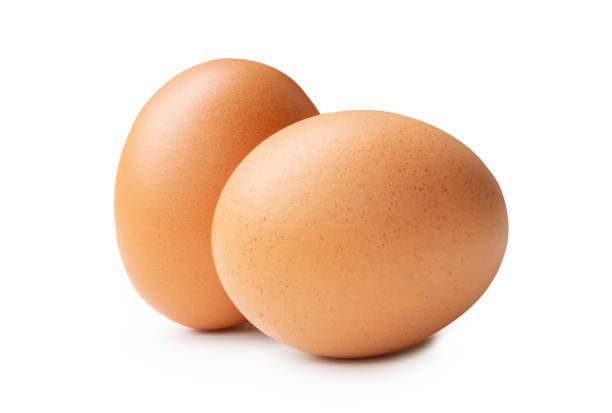
Eggs are one of my favorite foods when I want a simple, protein-rich breakfast.
One large egg provides protein along with several important nutrients. Protein can also help me feel satisfied after a meal, which may make it easier to avoid unnecessary snacking later.
How I Include Eggs in My Diet
I can prepare eggs in several simple ways:
- Boiled eggs with whole-grain toast
- Vegetable omelet
- Scrambled eggs with spinach and tomatoes
- Egg and avocado toast
- Eggs with a side of fresh fruit
I try to avoid turning a healthy egg-based meal into a high-calorie meal by adding excessive butter, cheese, or processed meats.
2. Oatmeal and Whole Grains
Whole grains are another food group I like to include when working toward a healthy weight.
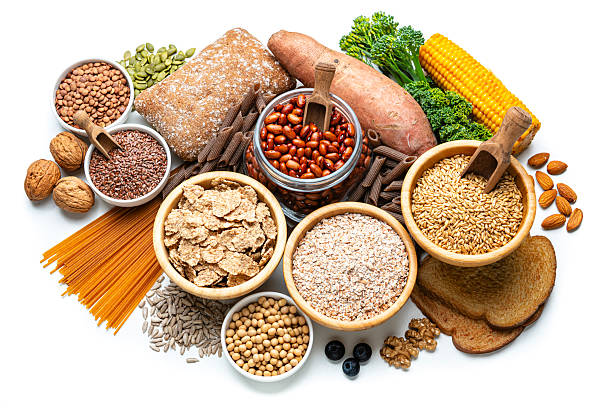
Oats, brown rice, whole-wheat bread, barley, and other whole grains contain carbohydrates as well as fiber and other nutrients.
Fiber can help me feel full for longer, which is useful when I’m trying to manage my overall food intake.
Easy Whole-Grain Meal Ideas
For breakfast, I can have oatmeal with berries and a small amount of nuts.
For lunch or dinner, I might choose:
- Brown rice with grilled chicken and vegetables
- Whole-wheat roti with lentils and salad
- Oatmeal with fruit and yogurt
- Whole-grain bread with eggs and vegetables
The goal isn’t to completely eliminate carbohydrates. Instead, I focus on choosing better-quality carbohydrate sources and keeping portions reasonable.
3. Leafy Green Vegetables
If I want to make my meals more filling without adding a large number of calories, vegetables are extremely useful.
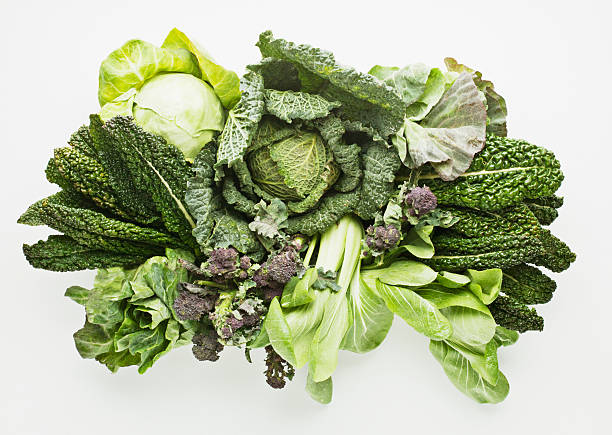
Leafy greens such as spinach, kale, lettuce, and other salad greens provide vitamins, minerals, fiber, and water.
I often use vegetables to increase the volume of my meals. A plate filled with vegetables can feel much more satisfying than a plate based mainly on refined carbohydrates.
My Favorite Ways to Eat Leafy Greens
I can add spinach to an omelet, make a large salad with lunch, or add leafy vegetables to soups and curries.
I also like combining greens with a source of protein, such as chicken, beans, eggs, or lentils. This makes the meal more balanced and satisfying.
4. Beans and Lentils
Beans, chickpeas, peas, and lentils are excellent foods for a healthy eating plan.
They provide plant-based protein and fiber, making them particularly useful when I want a filling meal without relying heavily on processed foods.
In South Asian diets, lentils and beans are already common foods, so I don’t need to make dramatic changes to include them.
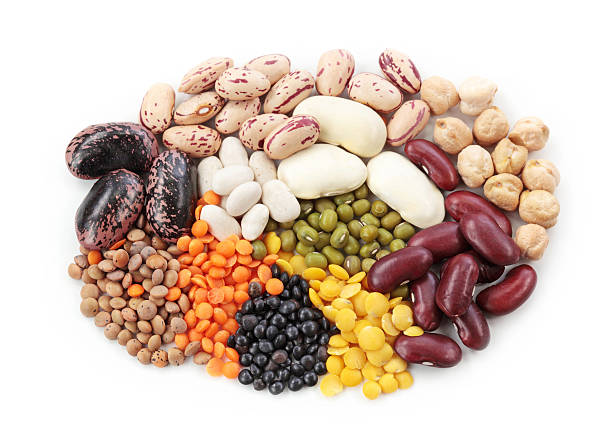
Healthy Ways to Eat Legumes
I can include:
- Daal with vegetables
- Chickpea salad
- Kidney bean curry
- Lentil soup
- Chickpeas with cucumber and tomatoes
- Beans with brown rice
I simply pay attention to how much oil, cream, or butter is added during cooking.
5. Chicken and Other Lean Proteins
Protein is important when I’m trying to build a balanced diet. Chicken, especially skinless chicken, can provide a good amount of protein without requiring a large serving.
I usually prefer grilled, baked, roasted, or lightly cooked chicken instead of deep-fried chicken.
Other protein choices can include fish, turkey, eggs, beans, lentils, and low-fat dairy products.

A Simple Protein Rule
When preparing a meal, I like to ask myself:
“Where is my protein?”
If my plate contains rice and vegetables but very little protein, I can add chicken, fish, eggs, beans, lentils, or another suitable source.
This simple habit can make meal planning much easier.
6. Fatty Fish
Fish such as salmon, sardines, and trout can be excellent additions to a balanced diet.
These fish provide protein and are sources of omega-3 fatty acids.
I don’t need to eat large portions to benefit from fish. A reasonable serving combined with vegetables and a whole-grain carbohydrate can make a nutritious meal.
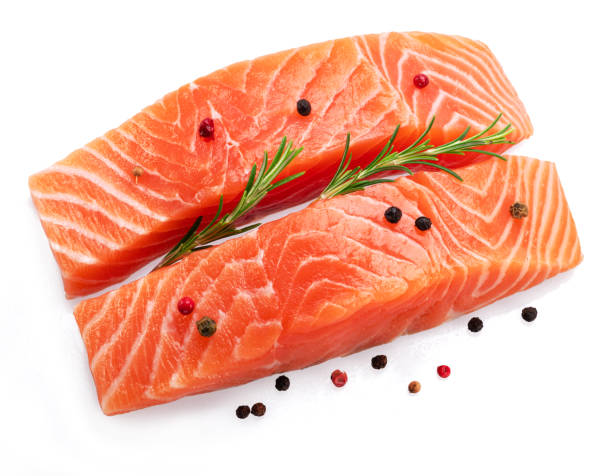
Healthy Fish Meal
One simple combination I like is:
Grilled fish + roasted vegetables + brown rice
This gives me protein, vegetables, and carbohydrates in one meal without making the recipe complicated.
7. Greek Yogurt and Other Healthy Dairy Foods
Greek yogurt can be a convenient snack or breakfast option because it provides protein and calcium.
I prefer plain yogurt when possible because flavored varieties can contain significant amounts of added sugar.
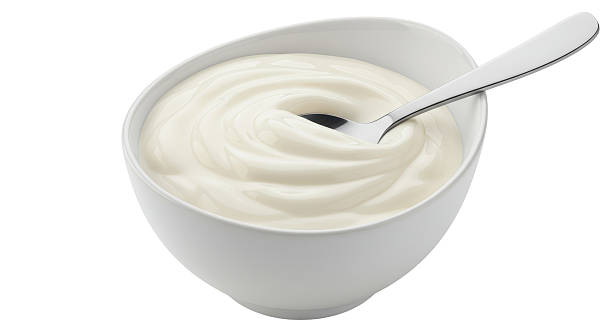
I can make plain yogurt more enjoyable by adding:
- Fresh berries
- Banana
- Apple pieces
- Chia seeds
- A small amount of nuts
Yogurt can also work as a healthier alternative to some creamy sauces and dips.
8. Fresh Fruits
I don’t believe fruit needs to be avoided when trying to maintain a healthy BMI.
Apples, oranges, berries, bananas, pears, peaches, and other whole fruits provide vitamins, minerals, fiber, and natural carbohydrates.
The important distinction for me is choosing whole fruit more often than fruit juice.
Whole fruit takes longer to eat and provides fiber, while fruit juice can be much easier to consume quickly.
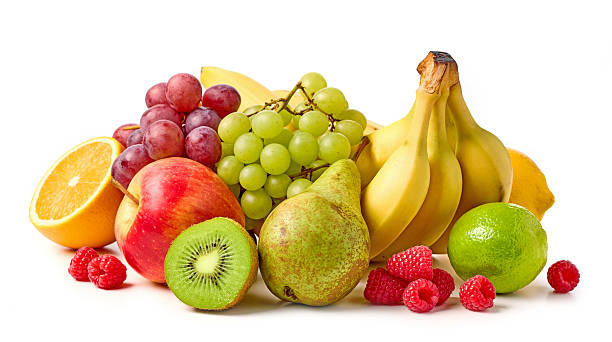
My Simple Fruit Habit
Instead of reaching for cookies or sweets every time I want something between meals, I can have an apple, orange, pear, or another whole fruit.
Fruit can also make a simple breakfast more satisfying.
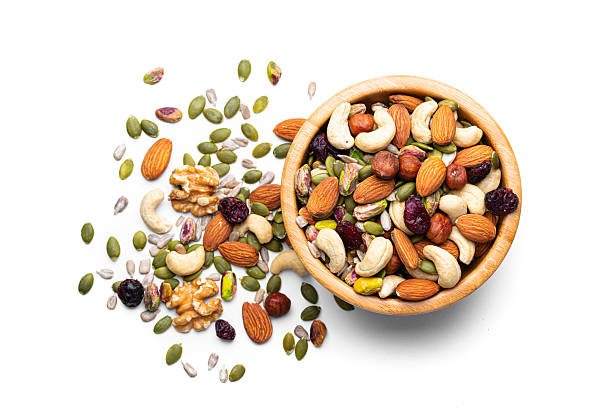
9. Nuts and Seeds
Nuts and seeds are nutritious, but I remind myself that they are also energy-dense foods. This means portion size matters.
Almonds, walnuts, pistachios, chia seeds, flaxseeds, and pumpkin seeds can provide healthy fats, protein, fiber, and other nutrients.
I usually don’t need a large handful. A small portion can be enough for a snack or to add texture to yogurt or oatmeal.
A Simple Snack
One option is:
Plain yogurt + berries + a small portion of walnuts
It’s simple, filling, and doesn’t require much preparation.
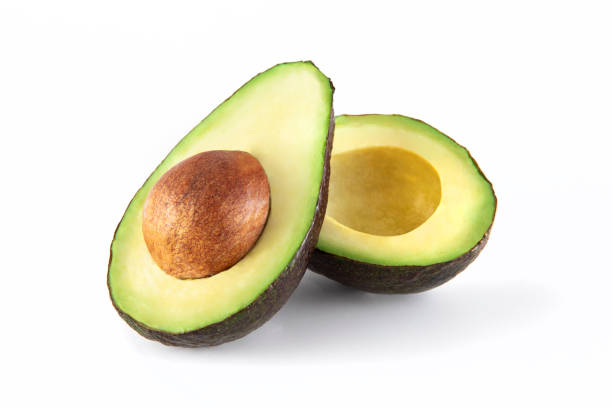
10. Avocados
Avocados contain healthy unsaturated fats along with fiber and several nutrients.
I like using avocado as part of a balanced meal rather than treating it as a food that I can eat without considering portions.
For example, I can add a small amount of avocado to whole-grain toast, salads, eggs, or a chicken sandwich.
The combination of healthy fats and fiber can make meals more satisfying.
11. Potatoes and Sweet Potatoes
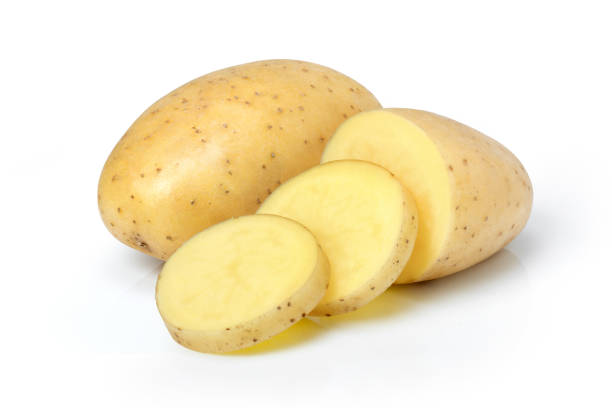
Many people automatically avoid potatoes when trying to manage their weight. I don’t think potatoes themselves are necessarily the problem.
The preparation method matters.
A boiled or baked potato is very different from a large serving of deep-fried fries covered in sauces.
Sweet potatoes can also be a nutritious option and provide carbohydrates, fiber, and various vitamins.
Better Potato Choices
I can choose:
- Baked potatoes
- Boiled potatoes
- Roasted potatoes
- Baked sweet potatoes
I try to limit deep frying and heavy toppings.
12. Vegetables of Different Colors
I don’t like eating the same vegetables every day. Adding different colors makes meals more interesting and helps me include a wider variety of nutrients.
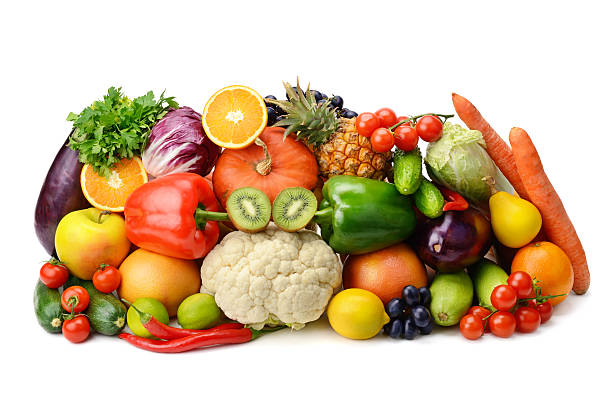
Some options include:
- Carrots
- Bell peppers
- Tomatoes
- Broccoli
- Cauliflower
- Cucumbers
- Green beans
- Cabbage
- Spinach
A simple rule I follow is to make vegetables a significant part of lunch and dinner.
How I Build a Balanced Plate
Knowing which foods are healthy is useful, but knowing how to combine them is even more practical.
When I prepare a meal, I try to include four basic components:
1. Protein
Examples include chicken, fish, eggs, beans, lentils, or yogurt.
2. Vegetables
I add a generous serving of vegetables or salad.
3. Whole-Grain or High-Fiber Carbohydrates
Examples include brown rice, oats, whole-wheat roti, or potatoes.
4. Healthy Fat
A small amount of nuts, seeds, avocado, or healthy cooking oil can complete the meal.
This approach gives me a balanced plate without requiring me to count every calorie.
Foods I Try to Limit
Eating nutritious foods is only one part of reaching a healthy BMI. I also pay attention to foods that are easy to overeat.
I don’t necessarily eliminate these foods completely, but I try to consume them less often:
- Sugary soft drinks
- Candy and sweets
- Cakes and pastries
- Deep-fried foods
- Highly processed snacks
- Excessive fast food
- Large portions of refined carbohydrates
- Foods high in added sugar
For me, moderation is much easier to maintain than completely banning foods.
A Simple One-Day Healthy Eating Plan
If I need a simple starting point, I could structure my day like this:
Breakfast
Oatmeal with banana, berries, and a small portion of nuts.
Mid-Morning Snack
One apple or another whole fruit.
Lunch
Grilled chicken, brown rice or whole-wheat roti, and a large vegetable salad.
Afternoon Snack
Plain Greek yogurt with fruit.
Dinner
Lentils or grilled fish with cooked vegetables and a moderate portion of potatoes or whole grains.
Drinks
Water should be my main drink throughout the day. Unsweetened tea or coffee can also fit into a healthy eating pattern.
This is only an example. My food choices and portion sizes should depend on my individual needs, activity level, preferences, and health goals.
Portion Size Still Matters
Even nutritious foods can contribute to excess calorie intake when I consistently eat more than my body needs.
For example, nuts, avocado, whole grains, and healthy oils can all be part of a healthy diet, but they are not foods I need to eat in unlimited amounts.
Instead of completely avoiding these foods, I focus on reasonable portions.
I also try to eat slowly and pay attention to how full I feel. Sometimes I realize that I don’t need another serving after all.
Don’t Forget Physical Activity
Food is only one part of maintaining a healthy body weight.
I also benefit from regular physical activity. Walking, cycling, swimming, strength training, sports, or other activities can help me stay active.
I don’t need to start with an intense workout routine. Even making regular movement part of my daily schedule can be a useful step.
When I combine nutritious food with regular activity and adequate sleep, maintaining a healthy lifestyle becomes much more realistic.
Final Thoughts
Reaching a healthy BMI doesn’t have to mean following a complicated diet.
When I focus on vegetables, fruits, whole grains, lean proteins, beans, lentils, fish, yogurt, nuts, and other minimally processed foods, I have plenty of options to create satisfying meals.
I also remind myself that healthy eating isn’t about being perfect. One unhealthy meal doesn’t ruin my progress, just as one healthy meal doesn’t transform my health overnight.
What matters most is what I do consistently.
If my goal is to reach or maintain a healthy BMI, I would start with small changes: add more vegetables, choose whole foods more often, include protein with meals, control portions, drink more water, and stay physically active.
Over time, these simple habits can become part of my normal routine—and that’s much more sustainable than following a short-term crash diet.
Important: BMI is a general screening measure and should not be used on its own to diagnose health or determine an individual’s ideal weight. If I have a medical condition, special nutritional needs, or concerns about my weight, I should discuss my situation with a qualified healthcare professional.
References
- Centers for Disease Control and Prevention (CDC) — Adult BMI
- World Health Organization (WHO) — Healthy Diet
- Harvard T.H. Chan School of Public Health — The Nutrition Source
- U.S. Department of Agriculture — MyPlate

Iqra Fatima Khan is a Health Content Writer & Researcher at BMIICalculator.com, where she creates practical, easy-to-understand content about Body Mass Index (BMI), healthy weight management, nutrition, and general wellness. Her articles are researched using reputable health resources, including guidance from organizations such as the CDC, WHO, and NIH. She focuses on presenting health information clearly while emphasizing the limitations of BMI and encouraging readers to seek professional medical advice when appropriate.