
Introduction
Many people check their BMI and then forget about it. Some feel worried, while others ignore the result. But when BMI stays high for a long time, it can increase health risks. Doctors often warn about this, but in simple words, they want you to understand the reason behind it.
In this article, we will explain high BMI risks and what doctors usually want their patients to know.
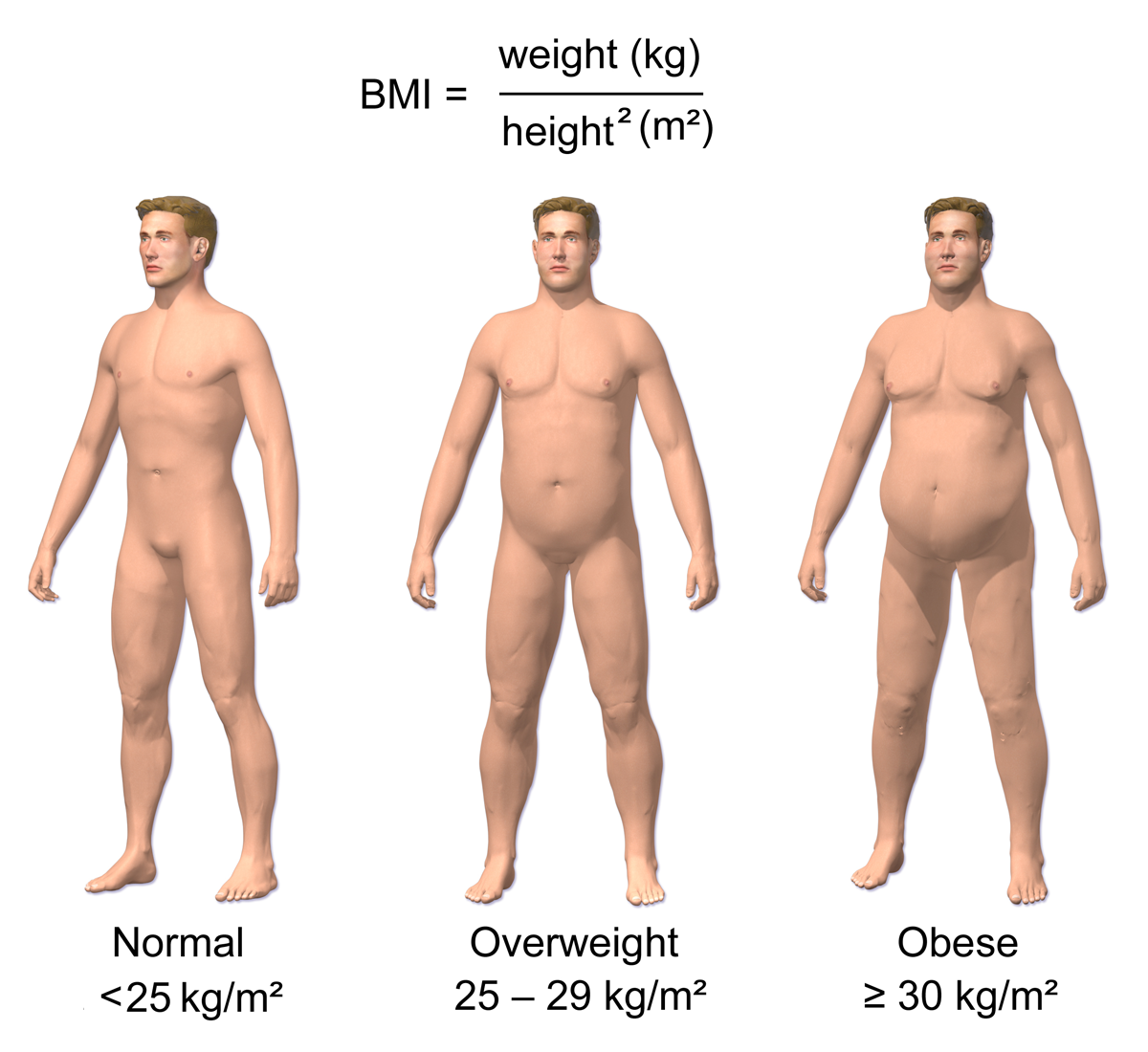
What Does High BMI Mean?
BMI stands for Body Mass Index.
A high BMI usually means your body weight is higher than what is considered healthy for your height.
High BMI does not mean you are sick, but it can be a warning sign.

Why Doctors Take High BMI Seriously
Doctors do not look at BMI just as a number. They use it to understand possible future health problems. When BMI is high, extra fat can put pressure on many parts of the body.
This is why doctors often suggest lifestyle changes when BMI stays high.
Heart Health Problems
A high BMI can increase the risk of:
- High blood pressure
- Heart disease
- Heart attacks
Extra body fat makes the heart work harder, which is not good over time.

Risk of Type 2 Diabetes
High BMI is closely linked with type 2 diabetes.
When body fat increases:
- Blood sugar control becomes harder
- Insulin may not work properly
Doctors often advise weight control to reduce diabetes risk.
Joint and Bone Pain
Extra body weight puts pressure on:
- Knees
- Hips
- Lower back
People with high BMI often feel joint pain and stiffness, especially while walking or standing.
Breathing and Sleep Problems
High BMI can affect breathing, especially during sleep.
Common problems include:
- Shortness of breath
- Loud snoring
- Sleep apnea
Good sleep is important for health, and high BMI can disturb it.

Fatty Liver and Digestive Issues
Too much body fat can lead to fat buildup in the liver.
This can cause tiredness and digestion problems over time.
Doctors may detect this during routine checkups.
Mental and Emotional Health
High BMI can also affect:
- Confidence
- Mood
- Stress levels
Feeling unhappy with body image may lead to emotional stress. Doctors care about mental health too, not just physical health.
What Doctors Want You to Remember
Doctors usually say:
- Do not panic about BMI
- Do not ignore high BMI
- Small lifestyle changes matter
Even small steps like walking daily or eating balanced meals can help.
BMI Is a Guide, Not a Final Verdict
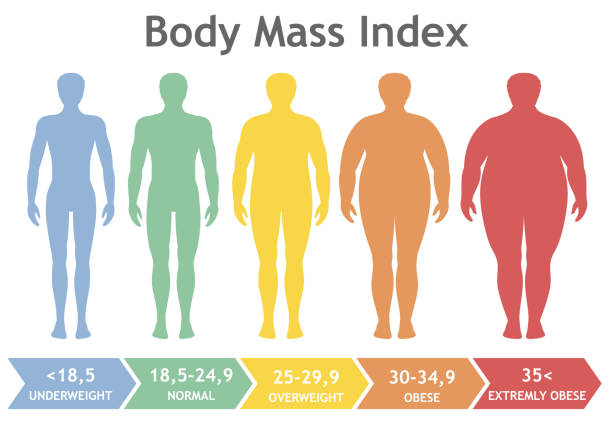
BMI helps doctors start a conversation about health. It does not decide everything.
Your doctor may also check:
- Waist size
- Blood tests
- Activity level
- Family health history
Final Thoughts
A high BMI is not something to fear, but it is something to take seriously. It is a signal from your body that some changes may be needed.
If you want to check your BMI easily, you can use a simple tool here:
👉 https://bmiicalculator.com
Health improves step by step, not overnight. Listening to your body and your doctor makes all the difference.

Iqra Fatima Khan is a Health Content Writer & Researcher at BMIICalculator.com, where she creates practical, easy-to-understand content about Body Mass Index (BMI), healthy weight management, nutrition, and general wellness. Her articles are researched using reputable health resources, including guidance from organizations such as the CDC, WHO, and NIH. She focuses on presenting health information clearly while emphasizing the limitations of BMI and encouraging readers to seek professional medical advice when appropriate.